Bring us the objective.
[email protected]
When we began working with Ubique Group in 2020, the objective was straightforward: improve the quality and quantity of product content, with a model that could support what was coming next.
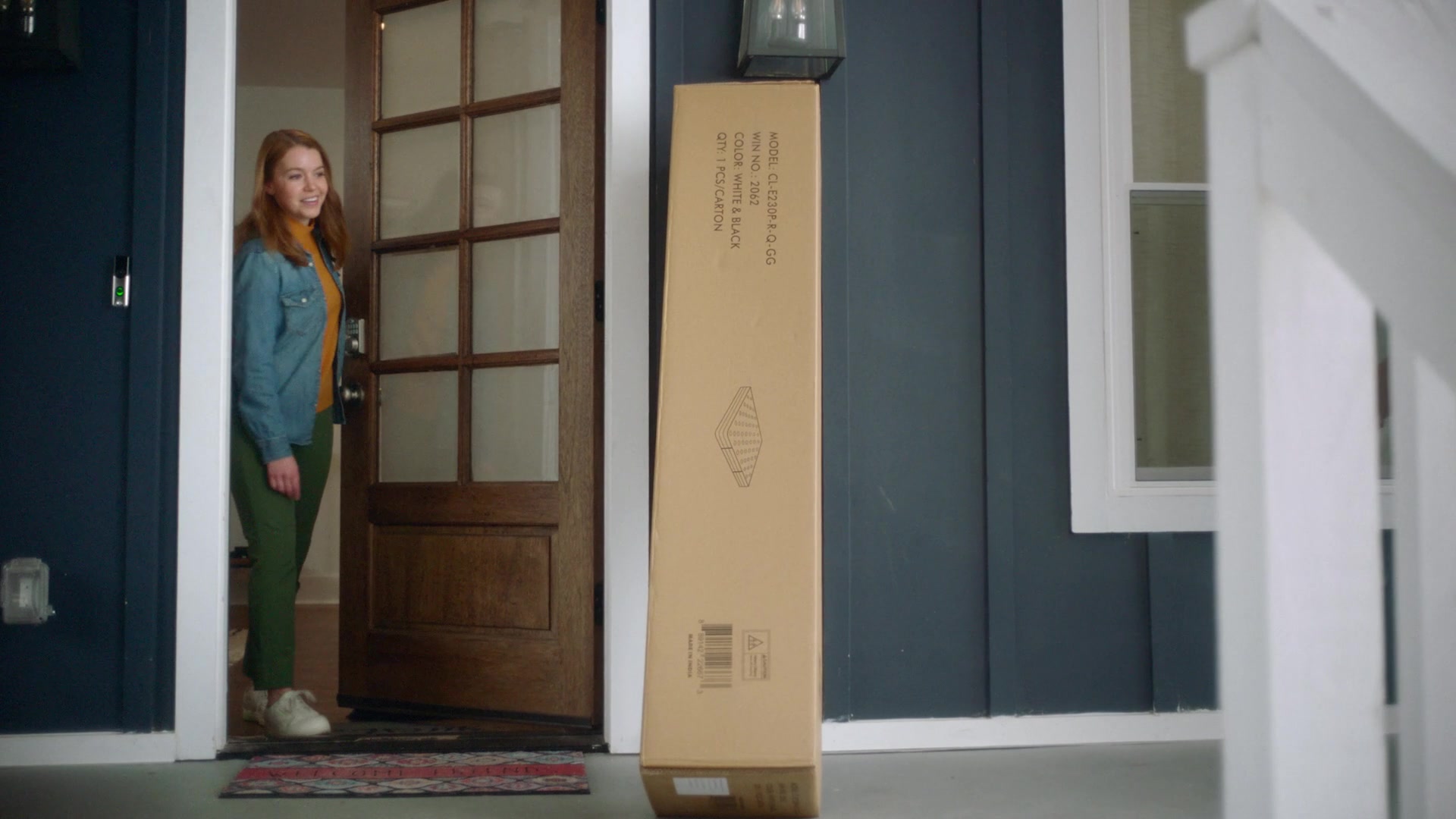
Over roughly 18 months, annual launches grew from about 300 SKUs to more than 5,000, while Ubique added new brands and acquisitions.
The traditional production model wasn’t going to scale with it, so we built a new one.
At a few hundred launches a year, Ubique’s internal photography workflow did the job.
At several thousand, the economics changed.
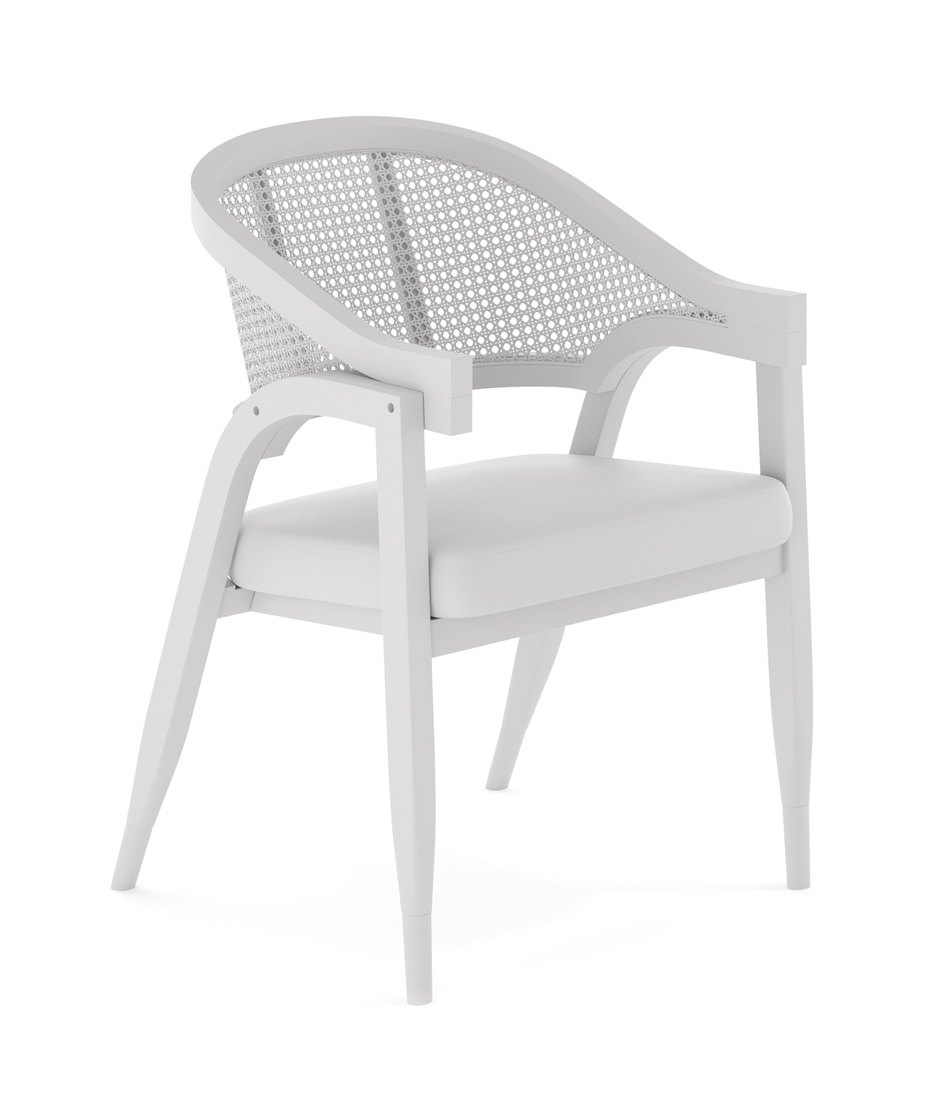
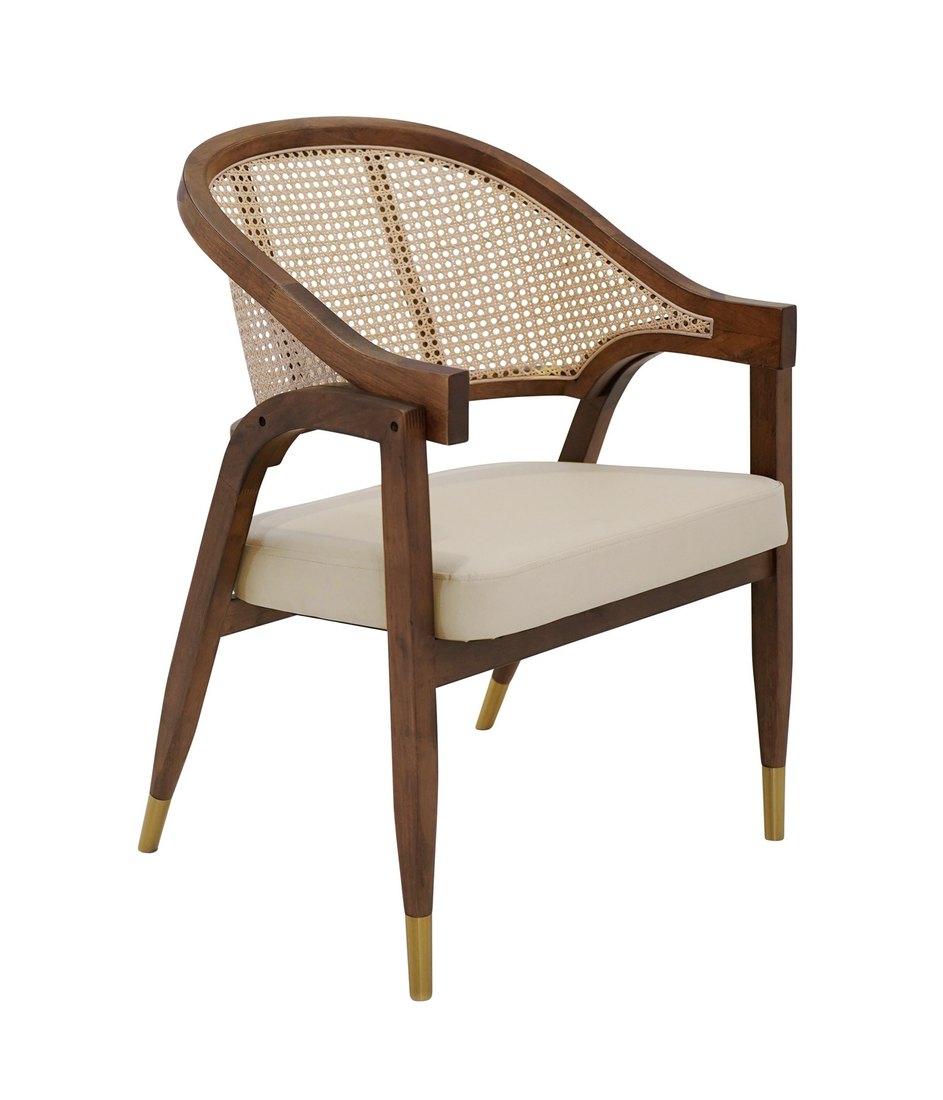
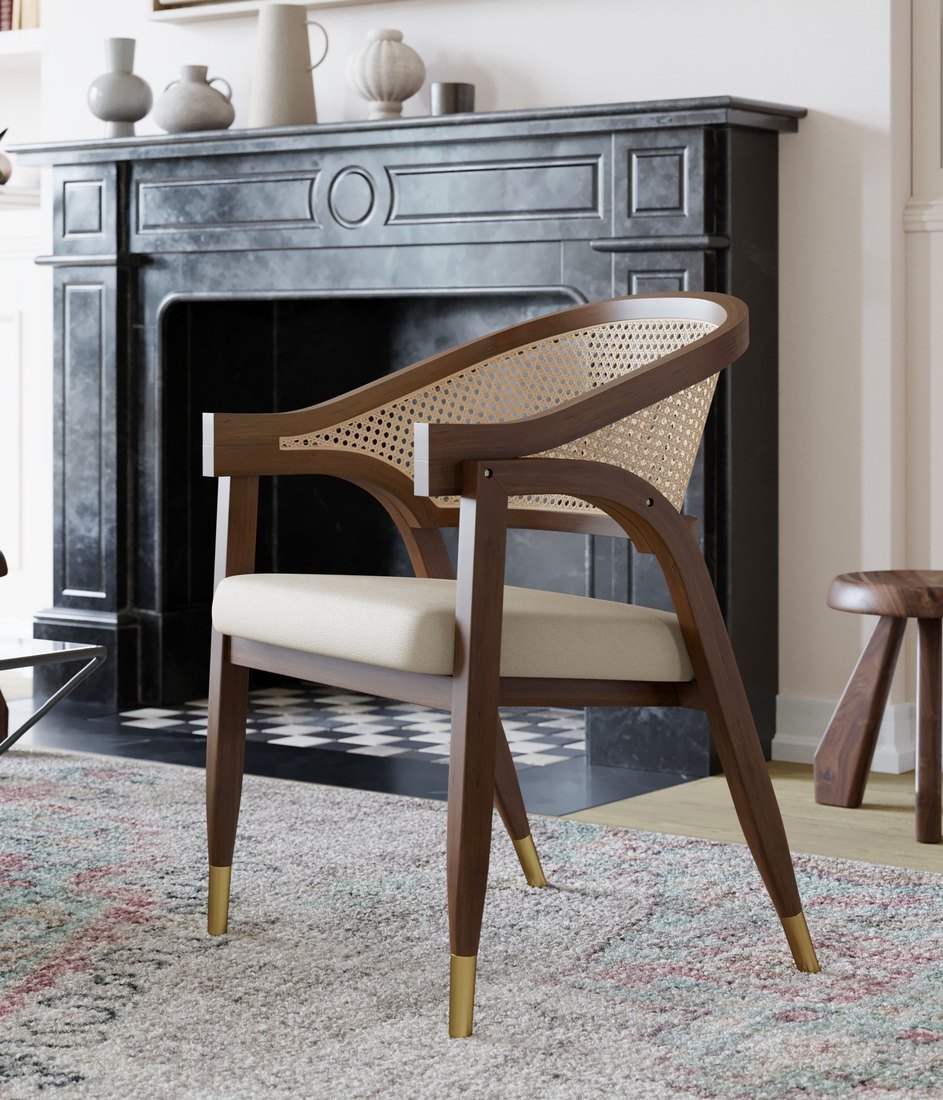
Accurate 3D production was the best path forward, but swapping photography for rendering wasn’t enough on its own, and the whole workflow had to be designed around scale.
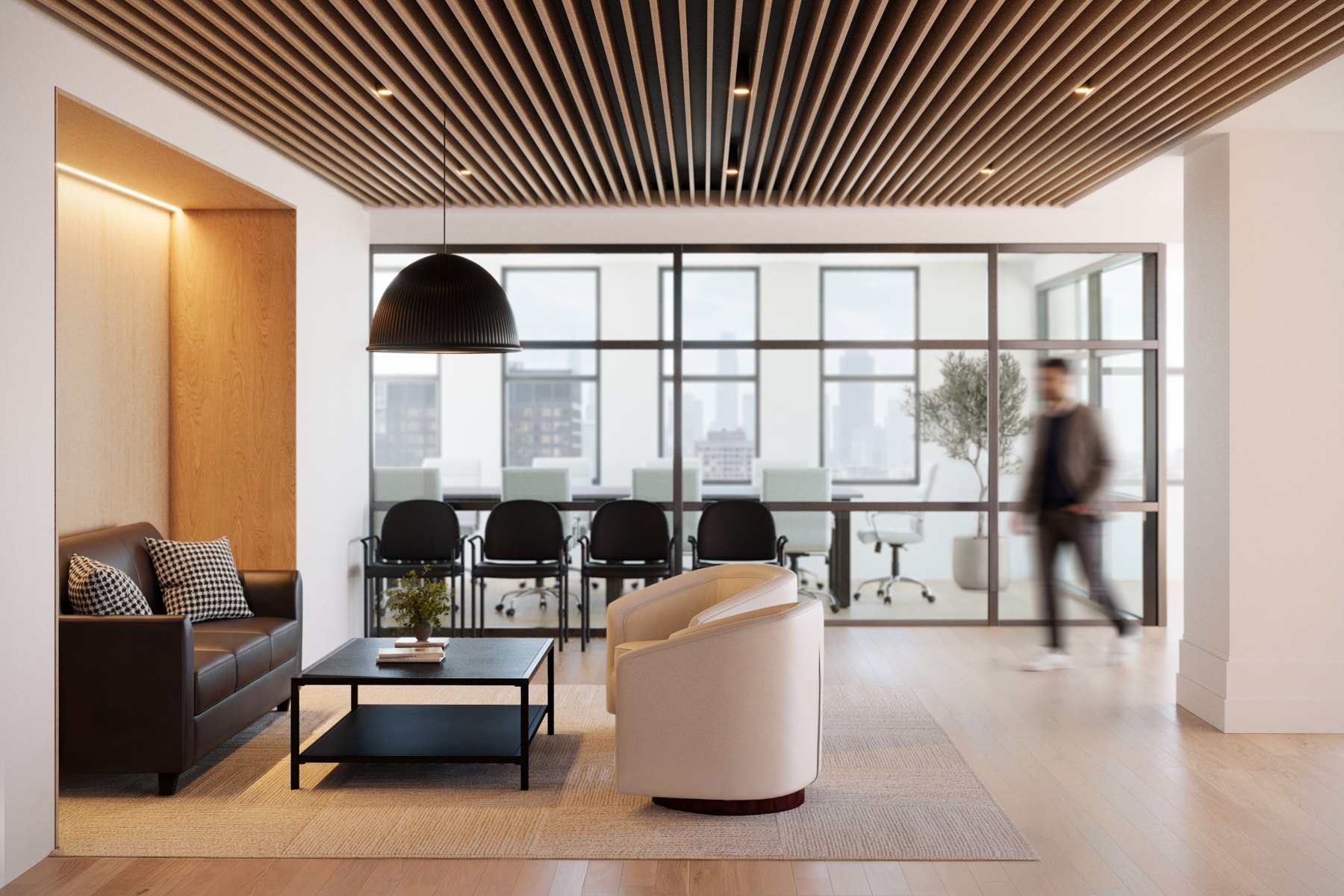
Many Ubique products are made overseas. Traditionally a product was manufactured, shipped, received and photographed before it could be syndicated, which could leave it waiting weeks before it was ready to sell.
What if marketing production started before the product ever left the country where it was made?
Vantage built a network of capture partners across key manufacturing regions. Our local teams shoot approved pre-production samples to shot lists from our 3D team, and our artists can join live sessions to request angles or details in real time.
From those images, inspection reports and dimensions, we build the digital product, so production runs in parallel with manufacturing and shipping.
All while the physical inventory is still making its way to market.
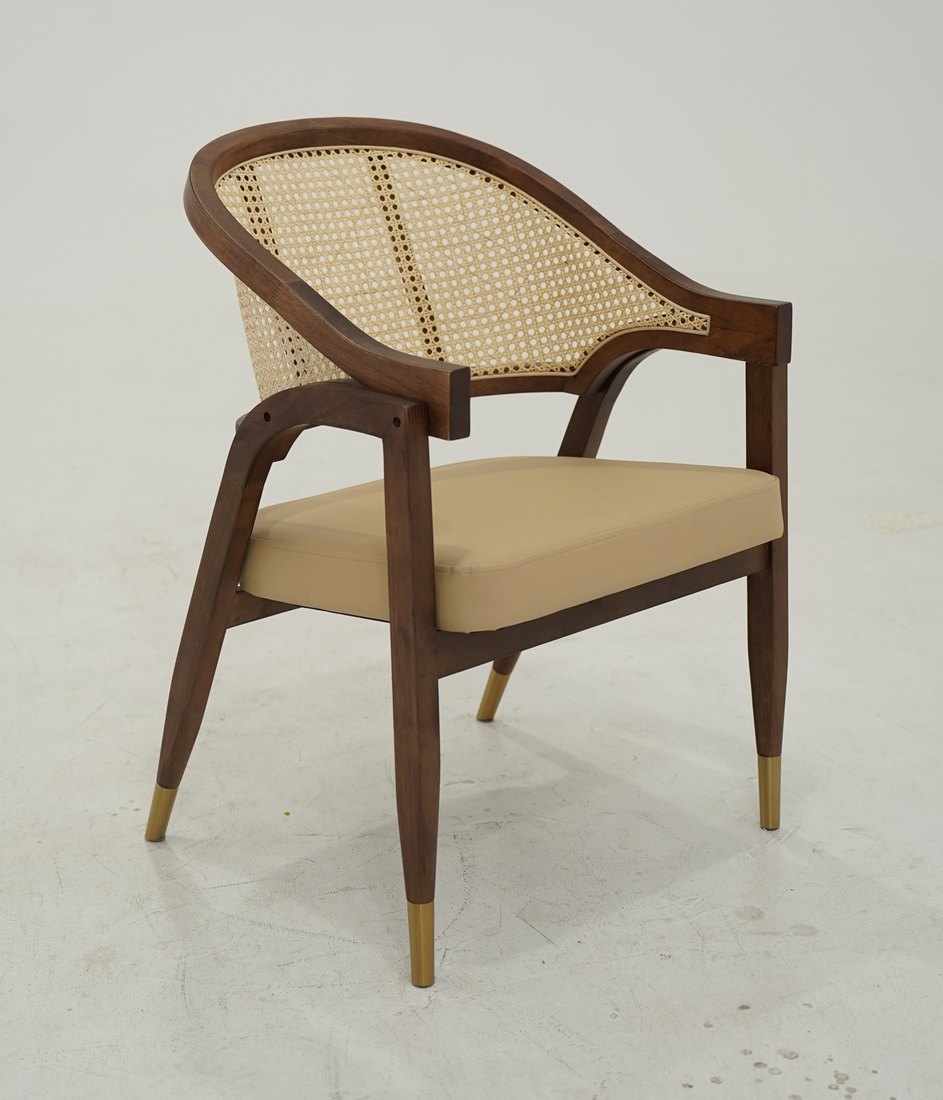
At this scale, an error caught late costs far more than one caught early. A wrong file name, a missing angle or an incomplete package becomes a problem downstream in syndication.
We started experimenting with generative AI well before it became common. We don’t mainly use it to make the final imagery; at this scale, accuracy and control make that unreliable.
Instead, we use AI to make the production system smarter.
Across 150,000 assets, the minutes saved on each repetitive task add up and give our team more time for the work that needs human judgment.
The system we built in 2020 isn’t the one we run today. Expectations, retail requirements and technology keep moving, so the production model moves with them.
For about three years, the overall budget has stayed roughly flat while quality, sophistication and efficiency keep improving.