Bring us the objective.
[email protected]
When Herff Jones came to Vantage, they didn’t have one clearly defined assignment. They had several objectives across product development, visualization and marketing.
Herff Jones’s teams each had their own tools and needs. Vantage filled the gaps between them, from CAD to rendering to campaigns.
Herff Jones produces highly customized products at significant volume. During busy periods, their team needed more capacity turning 2D designer drawings into production-ready ring CAD.
Their manufacturing ran on Rhino, so the modelers had to know it, deliver files that fit an established process and work efficiently enough to make the extra capacity worth it.
Vantage built a specialized modeling team and workflow around those requirements.
For collaborations including Herff Jones × Kendra Scott, our team turned designer drawings into production-ready models that became physical products.

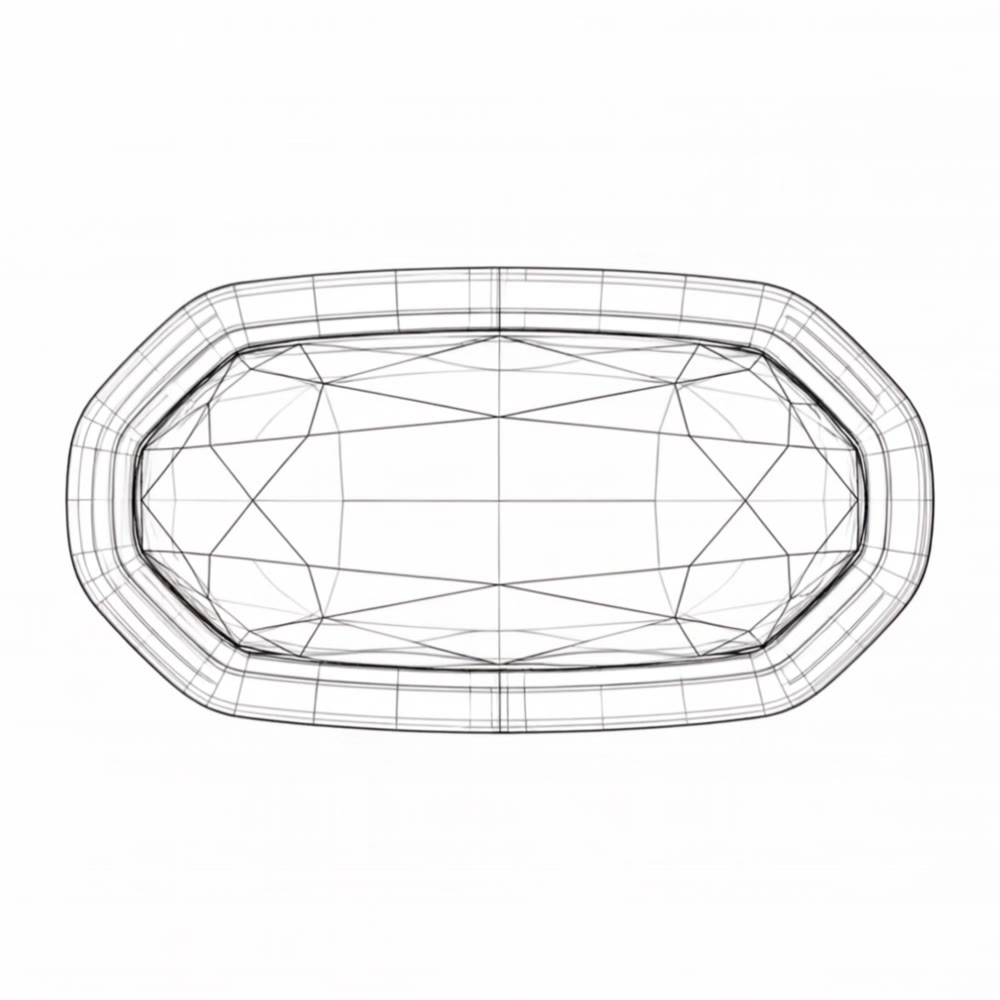
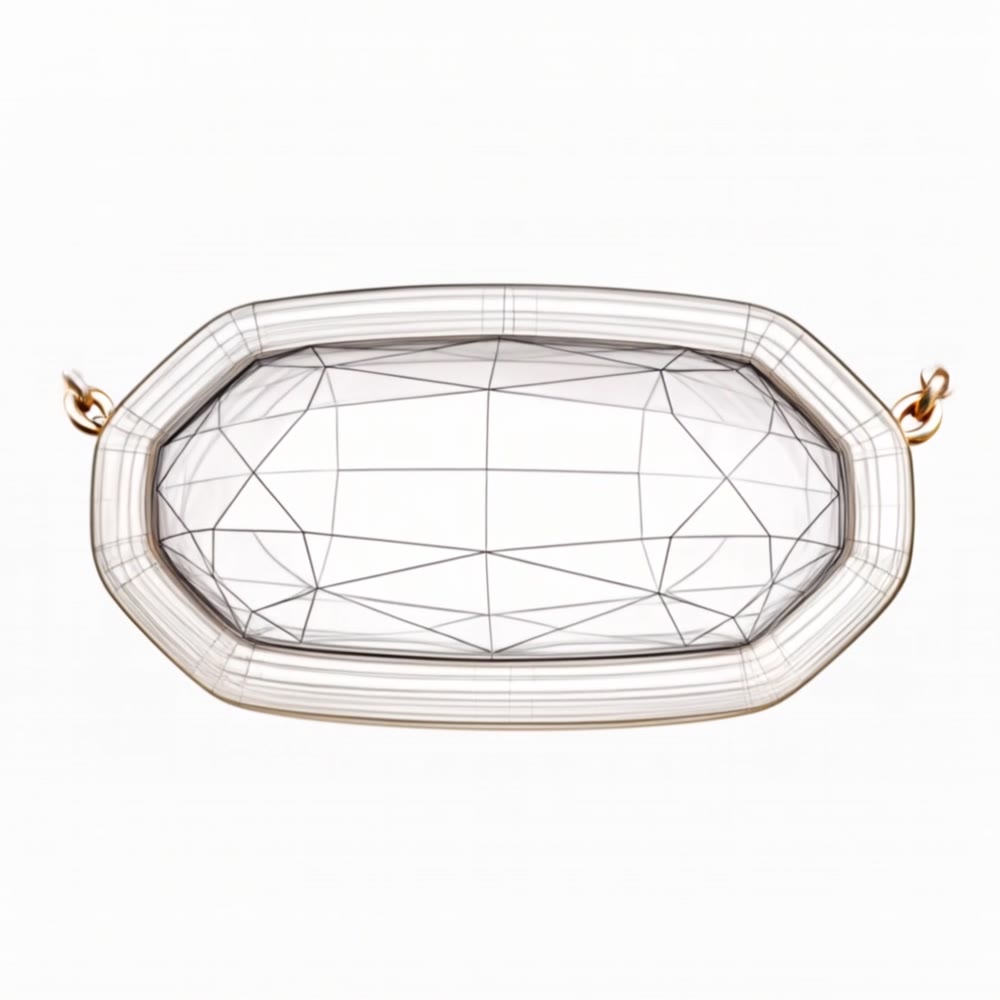




Herff Jones already had an extensive library of digital ring models, built for manufacturing. Their visualization team worked in Blender, and production Rhino files weren’t structured for marketing imagery.
The digital product existed, but the workflow between the two systems didn’t.
We built a process that converts production assets so they move straight into the visualization pipeline. Existing production work became the starting point for marketing, instead of a rebuild.

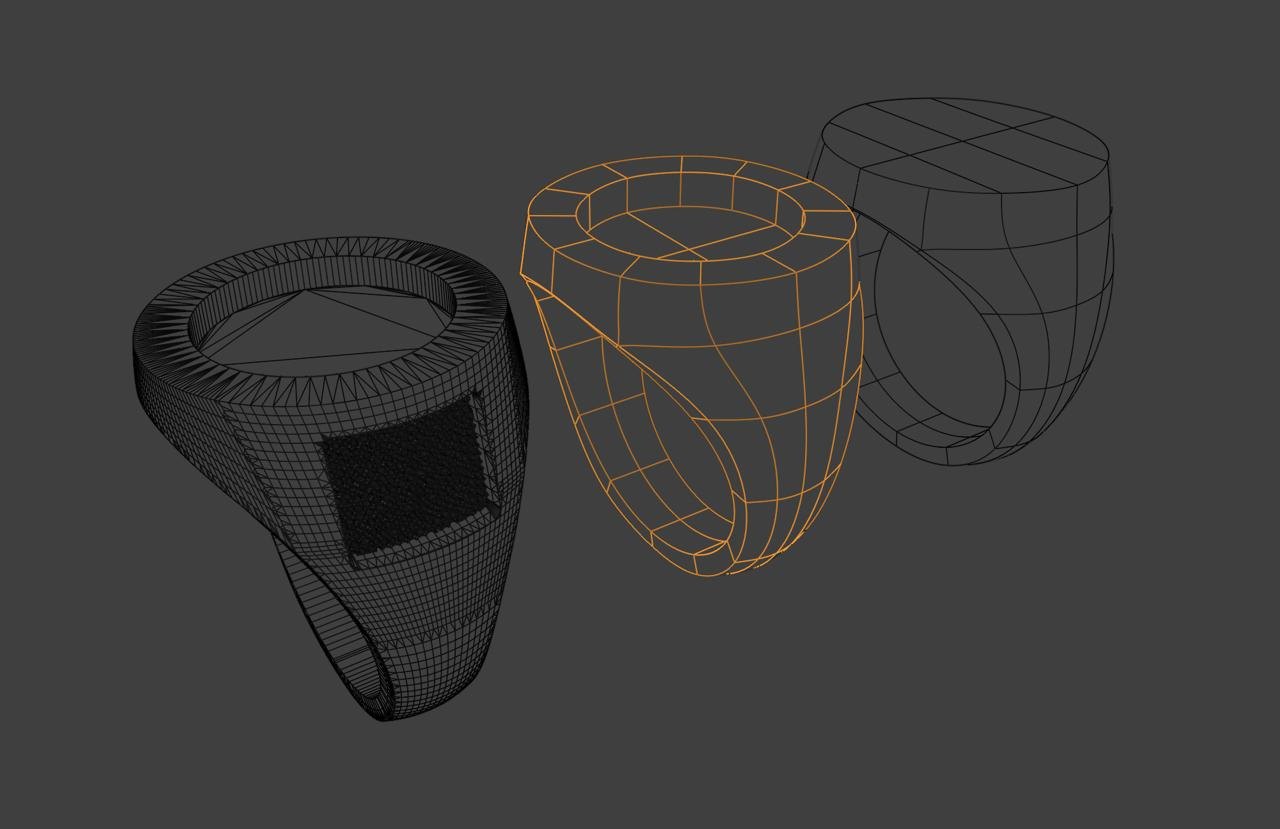
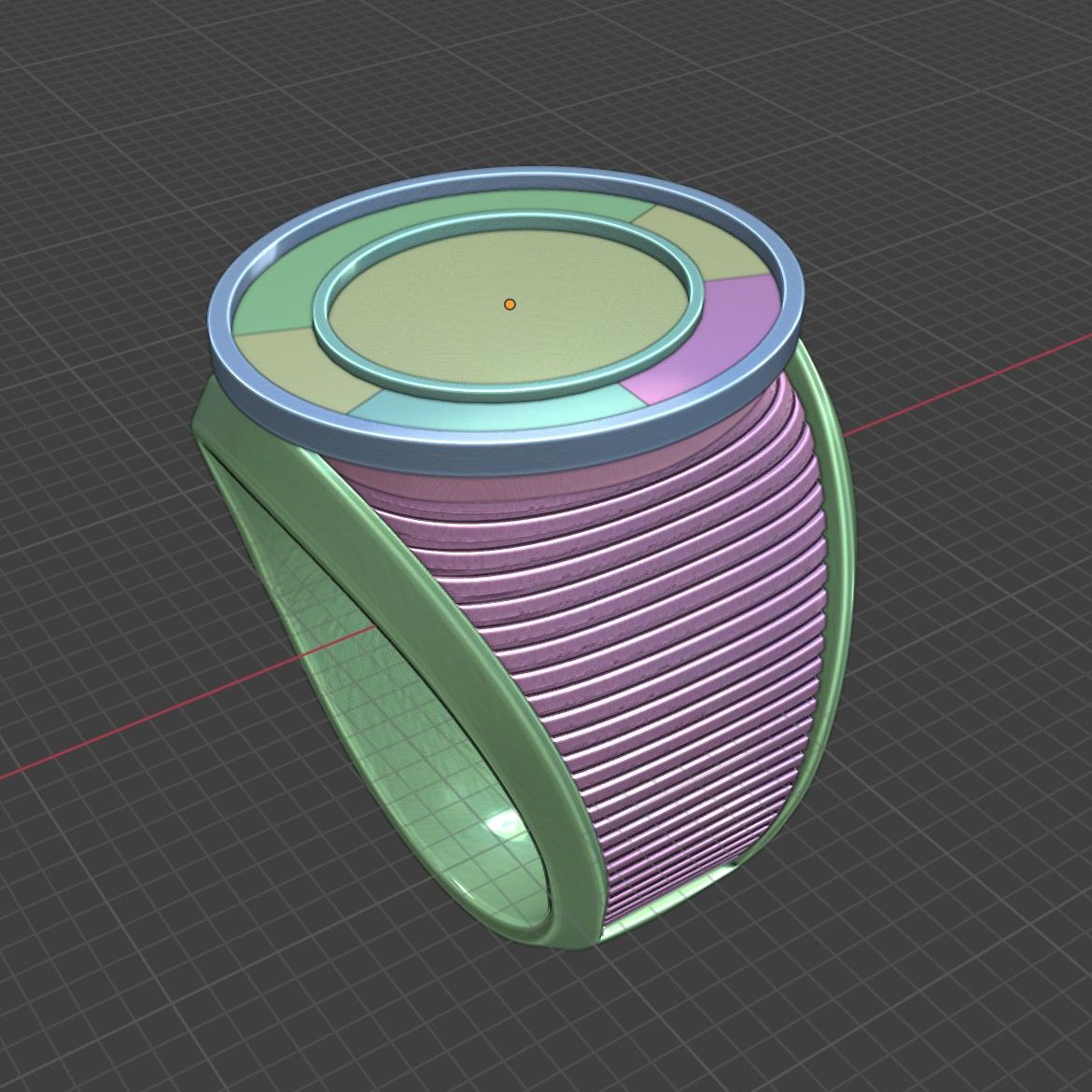

One digital product could now move further through the business.
The relationship eventually extended well beyond CAD, into product visualization, graphics, campaign development, commercials and internal communications.
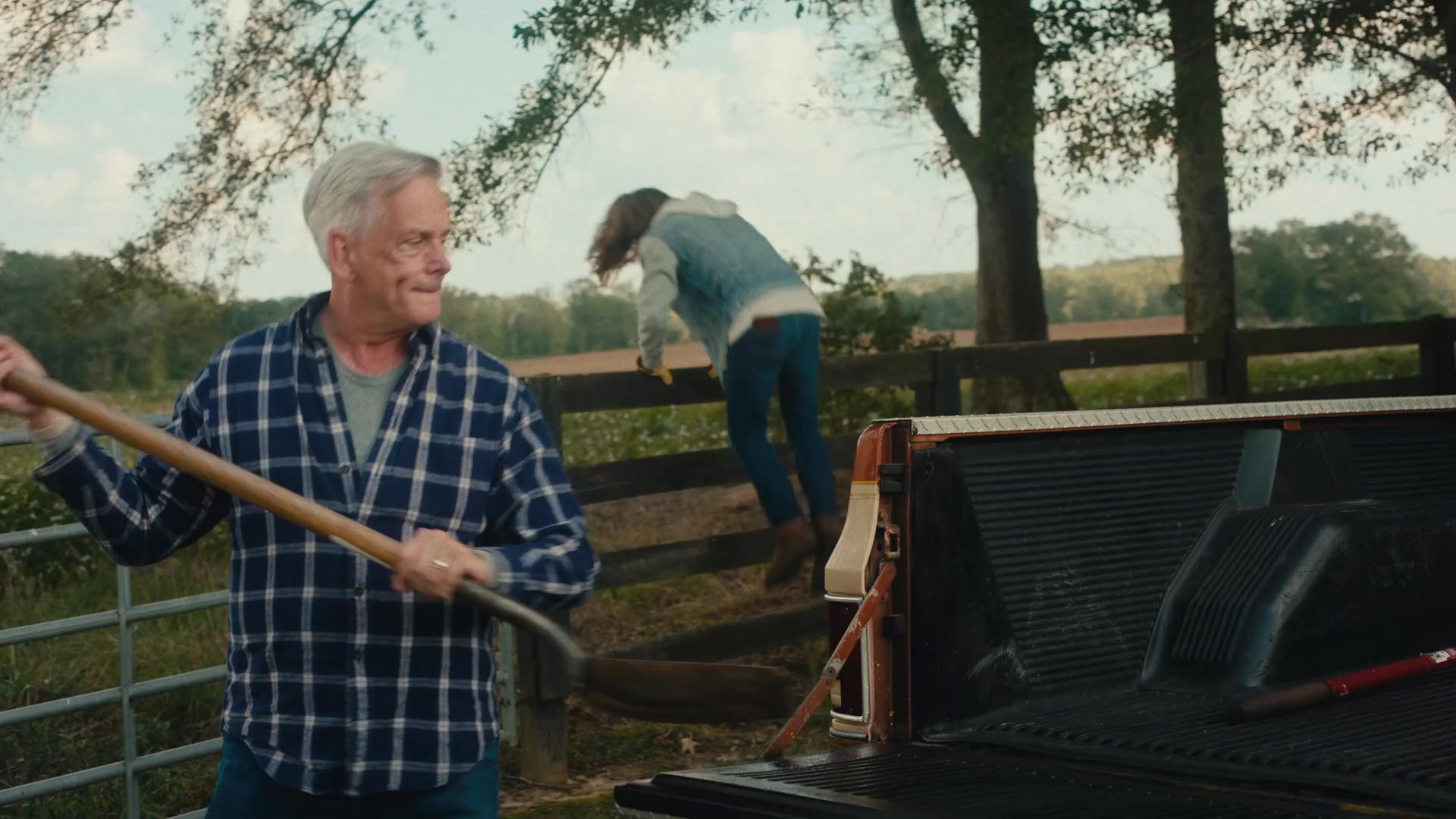
For the Generation campaign, we identified a marketing opportunity and developed a campaign around it, producing a high-end commercial. We also traveled to capture original content for internal video programming.
The assignments looked very different from one another, which was the point.

Herff Jones had designers, manufacturing systems, production CAD, an internal visualization team and marketing needs. What they didn’t always have was an efficient way to move between them, or enough capacity when demand increased.
The value was never one service but following the objective across every discipline, from the first drawing to the market.